Belly fat remains stubbornly visible even after significant weight loss for many people.
The reason? Abdominal fat exists in two distinct forms, and the hidden type poses serious health risks.
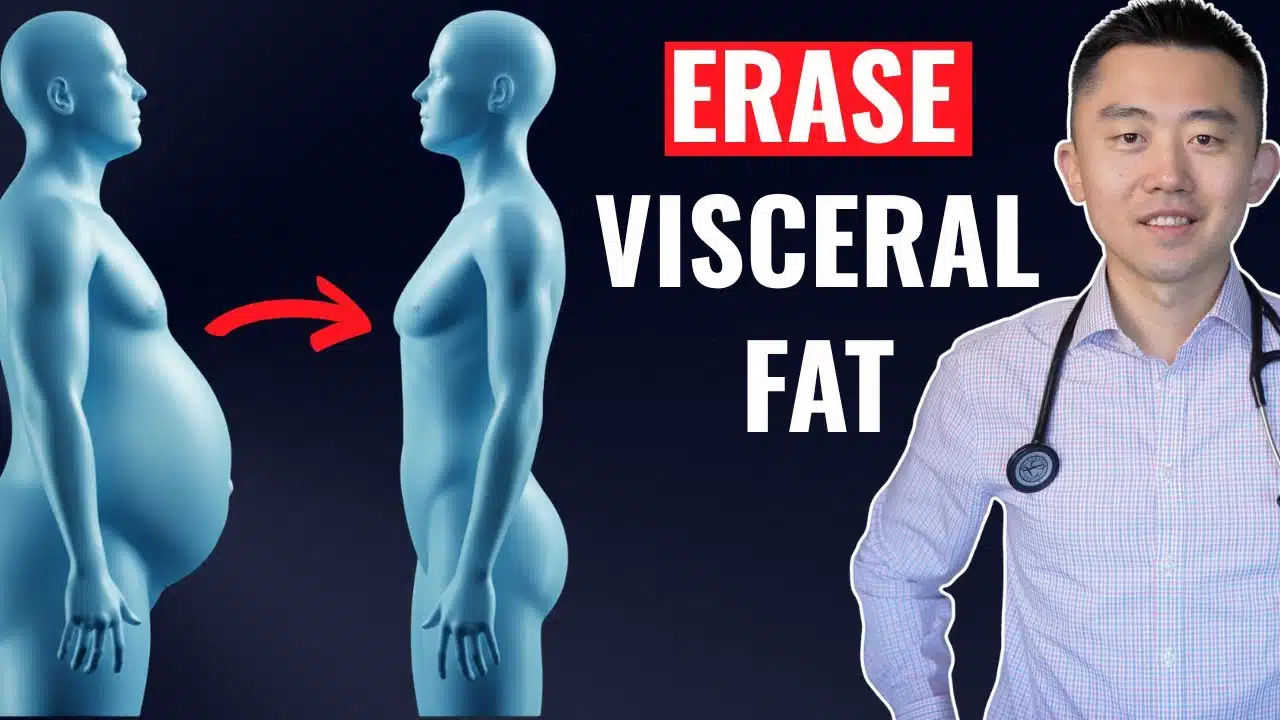
Visceral fat wraps around internal organs like the stomach, liver, and pancreas—driving diabetes, fatty liver disease, heart disease, and even cancer.
But there’s encouraging news: visceral fat responds remarkably well to targeted strategies, and the right combination of nutrition and exercise can eliminate it faster than other fat types.
Jump to:
Why Carotenoid-Rich Foods Target Belly Fat
Daily food choices either fuel visceral fat accumulation or starve it into submission. Carotenoids—natural plant pigments that give carrots their orange hue, tomatoes their red color, and spinach its deep green—emerge as powerful weapons against dangerous belly fat.
These compounds function as potent antioxidants, addressing the root cause of visceral fat: energy excess leading to inflammation and metabolic disruption. Carotenoids neutralize free radicals—unstable molecules that damage cells—thereby stabilizing genetic expression.
The genetic impact is remarkable. Carotenoids activate genes that increase fat burning while silencing genes that promote fat storage.
A randomized, double-blind trial conducted in Japan demonstrated that just eight weeks of consuming carotenoid-rich vegetables reduced visceral fat across all participant groups. The high-lycopene, low-lutein group—which ate carrots and napa cabbage—showed particularly impressive results.
Getting these beneficial compounds requires no complicated protocols. Simply prioritize colorful vegetables: carrots, sweet potatoes, bell peppers, spinach, and squash. Any vibrant vegetable or fruit likely contains carotenoids that combat visceral fat.
Green Tea’s Secret Weapon Against Visceral Fat
Beyond carotenoids, catechins—flavonoid polyphenols found abundantly in green tea—offer another powerful tool. These antioxidant compounds reduce inflammation while fundamentally changing how the body processes fat, particularly visceral deposits.
Catechins work through multiple mechanisms:
- Boosted fat oxidation: Stimulating the nervous system to burn more fat
- Increased energy expenditure: Elevating overall metabolic rate
- Enzyme inhibition: Blocking fat-processing enzymes like lipase to prevent dietary fat absorption
- Synergistic effects: Working with caffeine to enhance fat utilization
A double-blind, placebo-controlled randomized trial in Japan revealed significant findings. Participants who consumed catechin-enriched green tea—approximately 600 mg of catechins daily—experienced substantial visceral fat reduction after just 12 weeks.
While most green teas contain high catechin levels, minimally processed varieties like matcha or sencha deliver maximum benefits.
Exercise: The Visceral Fat Multiplier
Caloric deficits promote weight loss and visceral fat reduction regardless of source. However, combining proper nutrition with strategic exercise creates exponential results.
Research confirms exercise as essential for rapid visceral fat loss. A meta-analysis examining 117 studies found that while both diet and exercise reduce visceral fat, diet produces larger effects on total body weight, whereas exercise demonstrates superior effectiveness specifically against visceral deposits.
One particularly revealing study showed dramatic changes from minimal exercise commitment. Participants completed just two 45-minute cycling sessions weekly at 75% of VO2 peak for two months.
The results were stunning:
- 48% reduction in visceral fat
- 41% improvement in insulin sensitivity
- 18% loss of subcutaneous fat
Remarkably, total body weight remained unchanged. This underscores a critical point often overlooked: the scale poorly indicates progress when body composition shifts dramatically.
Do not get discouraged if you’re doing all the right things when it comes to nutrition and movement and proper exercise, but the weight is just not coming off.
Scale numbers fail to capture fat mass reduction and metabolic improvements occurring beneath the surface.
Which Exercise Type Works Best?
A comprehensive systematic review and meta-analysis of 84 randomized controlled trials identified the most effective exercise modalities. Vigorous-intensity aerobic exercise and high-intensity interval training (HIIT) proved superior for visceral fat reduction.
Resistance training showed benefits but demonstrated less effectiveness specifically targeting visceral fat. This doesn’t diminish resistance training’s importance—maintaining muscle mass remains crucial for overall health and metabolism—but for rapid visceral fat loss over coming months, cardiovascular exercise takes priority.
HIIT Versus Steady-State Cardio
Direct comparisons between HIIT and traditional aerobic exercise reveal minimal differences in effectiveness. Both modalities produce similar results with no statistically significant advantage in adults.
Some data suggests running-based HIIT may offer slight advantages over cycling. Additionally, research indicates HIIT might prove more effective than aerobic exercise for individuals under 24 years old.
But these distinctions matter less than one fundamental truth: the best exercise is whichever you’ll consistently perform.
A theoretically perfect HIIT protocol attempted twice monthly loses every time to an enjoyable walk completed several times weekly.
The Ideal Exercise Protocol
Based on available research, optimal visceral fat reduction requires exercise performed two to three times weekly for at least 45 minutes per session. Intensity should reach moderate to vigorous levels—approximately 70-80% of maximum heart rate capacity.
Without heart rate monitoring, the talk test provides reliable guidance:
- Moderate intensity: Ability to speak full sentences while sounding slightly breathless
- Vigorous intensity: Only managing a few words before pausing for breath
Exercise effects are dose-dependent—more activity yields better results. A recent British Journal of Sports Medicine study confirmed participants exercising more frequently or at higher intensity experienced proportionally greater visceral fat reductions.
Conversely, caloric restriction showed no such dose-dependent response. Beyond a certain threshold, additional calorie reduction provides no extra benefit.
You do not need to starve yourself to lose belly fat. Quite the opposite actually.
Maintain adequate caloric intake creating a small deficit while gradually increasing activity levels for faster visceral fat loss.
Putting It All Together
Visceral fat presents genuine health risks, driving chronic diseases that silently progress. However, this dangerous fat responds remarkably well to strategic intervention.
Fill your plate with colorful, carotenoid-rich vegetables. Incorporate green tea—especially minimally processed varieties—into daily routines. Commit to regular moderate-to-vigorous cardiovascular exercise, whether HIIT, steady-state cardio, cycling, running, or dancing.
Consistency trumps perfection. Choose sustainable approaches that fit your lifestyle rather than pursuing ideal protocols you’ll abandon within weeks.
Ignore scale fluctuations focusing instead on how clothing fits, energy levels improve, and metabolic markers shift. Body composition changes often occur without corresponding weight loss, particularly when exercise builds muscle while eliminating visceral fat.
Visceral fat may be dangerous, but it’s also remarkably responsive to targeted nutrition and exercise strategies. With the right approach, dramatic reductions happen faster than most people expect.
Skimlinks Test