In a recent video, renowned physical therapist and strength coach Jeff Cavaliere squared off in an arm wrestling match with his longtime training partner Jesse—and quickly realized the young man has packed on some serious size and strength.
The impromptu competition sparked the perfect teaching moment about effective muscle building.
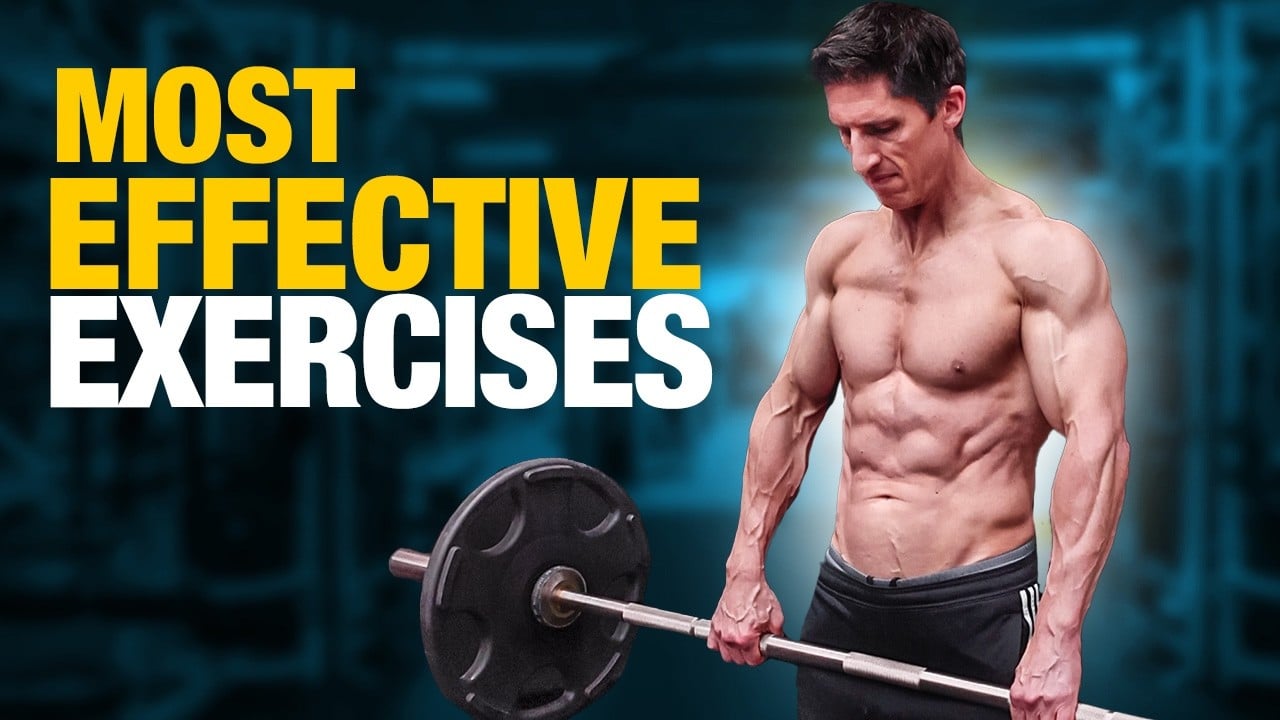
Cavaliere used the opportunity to break down the eight most effective exercises for building muscle, demonstrating not just what to do, but how to perform each movement for maximum gains.
These aren’t just random selections—they’re the exact movements that transformed Jesse’s physique from scrawny to formidable.
Jump to:
- The Barbell Curl: Building Bigger Biceps the Right Way
- Dips: The Ultimate Upper Body Builder
- Face Pulls: The Underrated Muscle Builder
- Deadlifts: The Back-Building Powerhouse
- Squats: The King of Lower Body Development
- Overhead Press: Building Cannonball Shoulders
- Lat Pulldowns: Creating the V-Taper
- Lying Triceps Extensions: Targeting the Long Head
The Barbell Curl: Building Bigger Biceps the Right Way
Most lifters want bigger arms, whether they admit it or not. According to Cavaliere, nothing builds biceps more effectively than the barbell curl.
There’s nothing more effective at building big biceps than a barbell curl. It was a staple exercise for me when I first started out.
While compound pulling exercises like rows have their place, they simply don’t target the biceps as directly as curls do.
The key lies in execution. Rather than thinking about curling the bar up, Cavaliere instructs lifters to imagine lifting their hands straight toward the sky—like a waiter holding a tray overhead.
The Secret: Tempo Control
The eccentric (lowering) phase matters tremendously. Cavaliere recommends a minimum three-second negative on every repetition, maintaining tension throughout the entire range of motion.
Even when fatigue sets in and you need to cheat the weight up slightly, the controlled descent remains non-negotiable.
Dips: The Ultimate Upper Body Builder
Dips simultaneously target the chest, triceps, and shoulders—making them more effective for muscle building than even the bench press, according to Cavaliere.
Legendary bodybuilder Mike Mentzer also considered this his favorite exercise for upper body development.
The movement follows the natural direction arms want to travel when creating a chest contraction, plus it allows for significant overload on the front deltoids and triceps.
Posture Makes or Breaks the Exercise
Many lifters approach dips with rounded shoulders, a hunched back, and shoulders shrugged toward their ears. This compromised position creates unnecessary shoulder stress.
The fix is simple but crucial:
- Lift your sternum as high as possible
- Pull your shoulders down away from your ears
- Maintain this proud chest position throughout the movement
At the bottom of each rep, imagine squeezing your hands toward each other, even though the fixed handles won’t move. This mental cue dramatically increases chest activation, particularly targeting the often-underdeveloped lower pecs.
Face Pulls: The Underrated Muscle Builder
Most people dismiss face pulls as merely a corrective exercise. Cavaliere passionately disagrees.
When performed correctly, this movement builds substantial thickness through the upper back and rear deltoids while simultaneously protecting shoulder health.
His unconventional tip? Attach two separate ropes to the cable station instead of one. This allows for greater range of motion and better positioning at the end range.
Technique Fundamentals
The critical difference between an effective face pull and a wasted motion comes down to arm positioning:
- Elbows must stay high and wide
- Create 90-degree angles at both the elbows and shoulders
- Pull straight back, not downward
- Control the eccentric—never let the weight stack crash
For additional lower trap development, press the arms overhead after reaching the fully contracted position.
This exercise is not just a corrective exercise. It literally is one that will build the muscles up in the back because they don’t need a lot of weight, but they do need some attention.
Deadlifts: The Back-Building Powerhouse
Some debate the deadlift’s role as a muscle builder, but Cavaliere points to an undeniable truth: nobody with a big deadlift has a small back.
Jesse’s transformation exemplifies this perfectly—his back development came primarily through progressive deadlift training.
Setup Determines Success
Bar position matters tremendously. Too far forward and you eliminate leverage before the weight even leaves the floor. The sweet spot? Directly over your mid-foot, approximately where your laces sit.
From there, hinge—don’t bend—to reach the bar. Think about creating creases between your thighs and groin rather than simply folding at the waist.
The Critical Mistake Nobody Talks About
When lifters try to “pack the lats” or “take slack out of the bar,” they often make a devastating error: they drop their hips.
This hip drop compromises the mechanically advantageous position established during setup.
The solution? Open your chest to engage the lats without moving your hips at all. From this position, think front-to-back rather than up-and-down—push through the floor while driving hips forward.
Equally important: control the descent. Dropping the bar wastes half the muscle-building potential of each rep. Those posterior chain muscles—traps, rhomboids, spinal erectors—need that eccentric loading under heavy tension.
Squats: The King of Lower Body Development
No exercise builds legs more comprehensively than squats. Whether you emphasize quads with front squats or posterior chain with back squats, the movement remains irreplaceable.
But poor execution costs lifters both gains and joint health.
Hip Mechanics: The Game-Changer
Many lifters struggle with coordinating hip and knee movement during the descent. They know both must bend, but the timing feels awkward.
The common mistake? Simply sticking the butt back by creating anterior pelvic tilt. This places unnecessary strain on the lower back while compromising mechanical advantage.
Instead, think about a kettlebell swing—you hinge back through the hips. Move the hips backward as a hinge while simultaneously allowing the knees to bend.
Visualize moving your torso and hips as one connected unit, with the knees simply going along for the ride.
Avoiding the “Squat Morning”
On the ascent, weak quads or poor timing often cause the hips to rise faster than the chest—creating what’s known as a “squat morning.”
Fix this by maintaining that same mental cue: move chest and hips together as one unit. Everything rises simultaneously, eliminating dangerous compensation patterns.
Overhead Press: Building Cannonball Shoulders
Developing impressive shoulder mass requires progressive overhead pressing. While variations exist—seated, standing, dumbbell—the standing barbell overhead press allows for the heaviest loads and greatest progression potential.
This translates directly to bigger shoulders, plus carryover development for the upper chest and upper back.
Grip Width: The Overlooked Variable
Too many lifters use an excessively wide grip, which pushes elbows into the frontal plane exclusively. This robs the triceps of their contribution to the lift.
By narrowing the grip, elbows move more forward. This repositioning allows triceps to contribute significantly to the press, often increasing weight moved by 10-15% immediately.
More weight pressed equals more muscle built. Simple math.
Lower Body Integration
Don’t overlook glute activation. Before initiating each press, squeeze your glutes hard.
A simple mindfulness of a glute contraction, squeeze as hard as you can, is going to make the feet feel stable and grounded into the floor and transfer all that power up through your legs, into your upper body, and ultimately through the bar.
This eliminates “energy leaks” and creates a stable foundation for maximum pressing strength.
Lat Pulldowns: Creating the V-Taper
While deadlifts build back thickness, lat-focused pulling builds the width necessary for that coveted V-taper physique.
Cavaliere prefers lat pulldowns over weighted pull-ups specifically because the machine allows for more precise execution—making it more effective despite being less “functional.”
Narrow Grip, Big Lats
Counterintuitively, a narrower grip builds more lat width than a wide grip.
A closer hand position places elbows in front of the body. From here, visualize driving your elbows down into your front pockets as you pull. This creates powerful lat adduction—a primary function of the muscle.
For upper back width, widen the grip to the bend of the bar and let elbows drift backward slightly during the pull.
Make Your Reps Count
Pulling movements offer tremendous eccentric overload potential—if you don’t rush.
Control the weight on the way up. Feel the reversal. Experience the stretch at the top. This positions the lats optimally for the next powerful contraction.
Don’t count your reps. Instead, make your reps count on this exercise.
Lying Triceps Extensions: Targeting the Long Head
The final exercise focuses on triceps development—specifically the long head, which contributes the most mass to arm size.
Traditional “skull crushers” miss the mark because arms positioned perpendicular to the body don’t adequately stretch the long head.
The 30-Degree Solution
Push your arms back approximately 30 degrees from perpendicular, then lock them in place. From this position, bend only at the elbows, lowering the bar behind your head.
This angle places maximum stretch on the long head—exactly what drives growth.
Mechanical Drop Sets
When fatigued, bring the bar closer to your body and press from your shoulders—essentially a close-grip press or “jam press.”
This shortened range of motion allows additional repetitions when arms are exhausted, extending the effective set without changing weight.
These eight exercises formed the foundation of Jesse’s dramatic transformation. They represent the most effective movements for building muscle across all major body parts—not because they’re trendy or complicated, but because they work.
The difference between mediocre results and exceptional growth often comes down to execution details most lifters ignore.