Getting from 20% to 15% body fat is one thing. Dropping to single digits and getting truly shredded is another level entirely. It’s not just about eating less—your body’s physiology shifts as you get leaner. That means your strategy needs to evolve too.
“We think it’s a linear game of cutting calories, but our fuel usage, inflammatory markers, and metabolism all behave differently as body fat decreases,” explains Thomas DeLauer, fitness expert and creator of high-performance nutrition content.
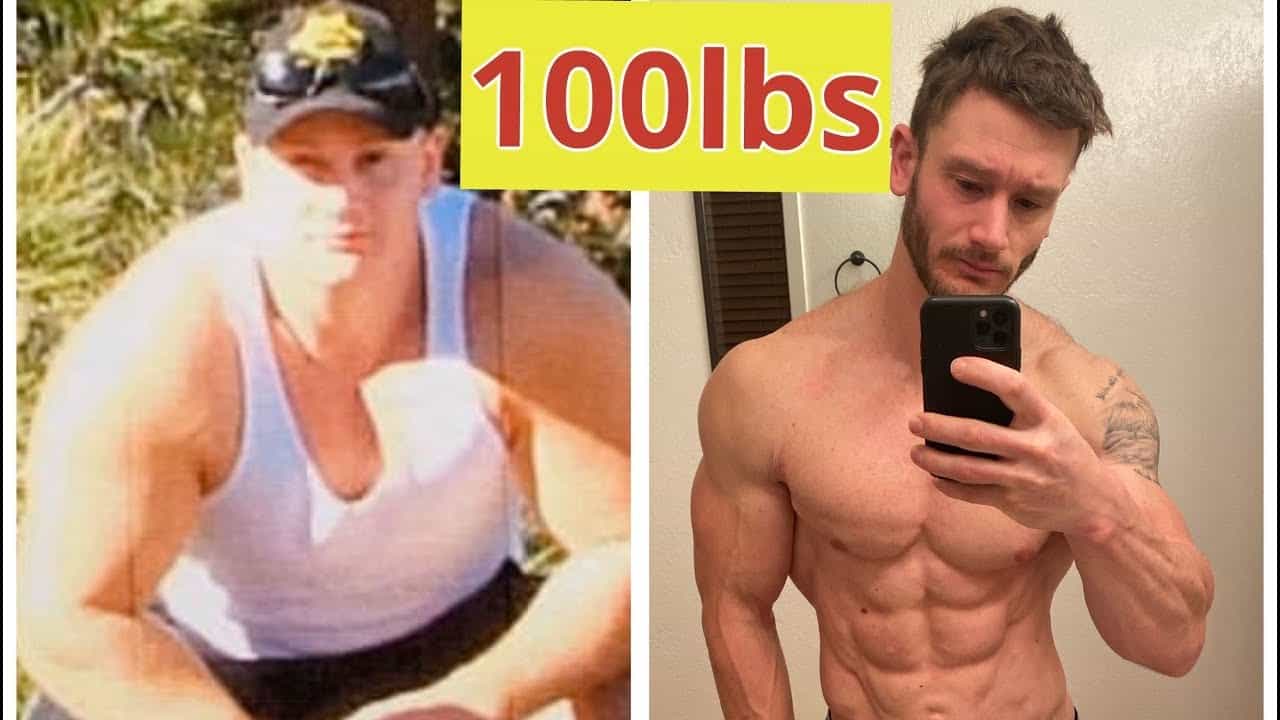
Whether you’re prepping for a photoshoot or simply want to push your limits, these three cardinal rules, based on science and experience, are designed to help you get—and stay—ultra shredded.
Jump to:
1. The Leaner You Get, the More Protein Matters
When body fat levels drop, preserving muscle becomes increasingly difficult. With fewer fat stores, your body may start breaking down lean mass if protein intake isn’t sufficient.
“The leaner you are, the more muscle-sparing protein becomes,” says DeLauer. Research supports this: protein needs increase during caloric deficits, especially when body fat gets low. High protein not only protects muscle, but also increases satiety and thermogenesis, helping you burn more calories at rest.
- Recommended: Aim for 1 to 1.2 grams of protein per pound of bodyweight during lean phases.
- Example: A 160-pound person may need 160–190 grams of protein daily.
One highly effective approach? A protein-sparing modified fast (PSMF)—a low-calorie, high-protein plan used to drop fat while minimizing muscle loss. This method is often used in short bursts (2–5 days) with protein making up the bulk of caloric intake.
2. Use Strategic, Aggressive Caloric Deficit Days
Once you’re relatively lean (say, under 15%), consistent low-calorie eating can backfire. It signals to your body that energy is scarce, increasing stress hormones and slowing metabolism. The alternative? Short, aggressive caloric restriction periods mixed with normal intake days.
A 2021 meta-analysis from the Academy of Nutrition and Dietetics found intermittent methods—like the 5:2 approach (normal eating 5 days, severe restriction 2 days)—outperformed conventional daily calorie cutting for fat loss while maintaining muscle.
- Try this: Eat normally (at or near maintenance calories) for 4–5 days per week.
- Then: Drop to ~500–800 calories on 2–3 non-consecutive days, focusing mostly on protein.
Not only is this effective for fat loss—it’s psychologically sustainable. You can plan your low days for when you’re less active or have fewer social engagements. On higher-calorie days, you enjoy nutrient-dense foods like grass-fed tallow chips or sprouted corn-based snacks without feeling guilty or off-track.
3. The Leaner You Are, the More Timing Matters
A groundbreaking study published in the journal Obesity measured real-time calorie oxidation in human subjects during controlled feeding trials. The findings? Eating earlier in the day led to significantly greater fat oxidation than late-night eating—even when total calories were identical.
Researchers measured participants’ respiratory quotient (RQ)—a marker of whether you’re burning more fats or carbohydrates. Those who ate between 9 a.m. and 7 p.m. burned more fat overnight compared to those who ate later from 1 p.m. to 11 p.m.
This tells us that meal timing matters more than ever the leaner you are. At higher body fat levels, small differences have minor impact, but when you’re trying to drop that last few percent, every variable counts.
Optimize Your Eating Window:
- End meals by 7–8 p.m. to boost overnight fat oxidation.
- Shift carbs to earlier in the day when you’re more insulin sensitive and active.
- Use fasting flexibly—consider skipping dinner or trying early time-restricted feeding some days.
If you’re combining this with aggressive-calorie-low days, you could even cluster them toward the week’s end—say, Thursday and Friday—so your metabolism rebounds sharply into the weekend when you eat normally again.
Takeaway: Mastering Shredded Isn’t About Eating Less Every Day
Getting ultra-lean doesn’t follow the same blueprint as shedding your first 10–20 pounds. It requires optimization, timing, and strategy. By focusing on:
- High and adaptive protein intake
- Strategic low-calorie days
- Meal timing for metabolic efficiency
You build a system that feels sustainable and delivers results. It’s not about punishment. It’s about planning intelligently for your physiology.
“When you start eating and training like someone who’s already lean, your body takes the hint,” says DeLauer.
So whether you’re reaching for a shredded six-pack or just want to feel and perform at your best—these three rules simplify the journey.