What if everything you thought was essential for building muscle was actually holding you back?
In a recent long-form breakdown, Dr. Mike Israetel of Renaissance Periodization shared a gripping insight: ditching “hardcore” training actually made him bigger, stronger, and more injury-free than ever before.
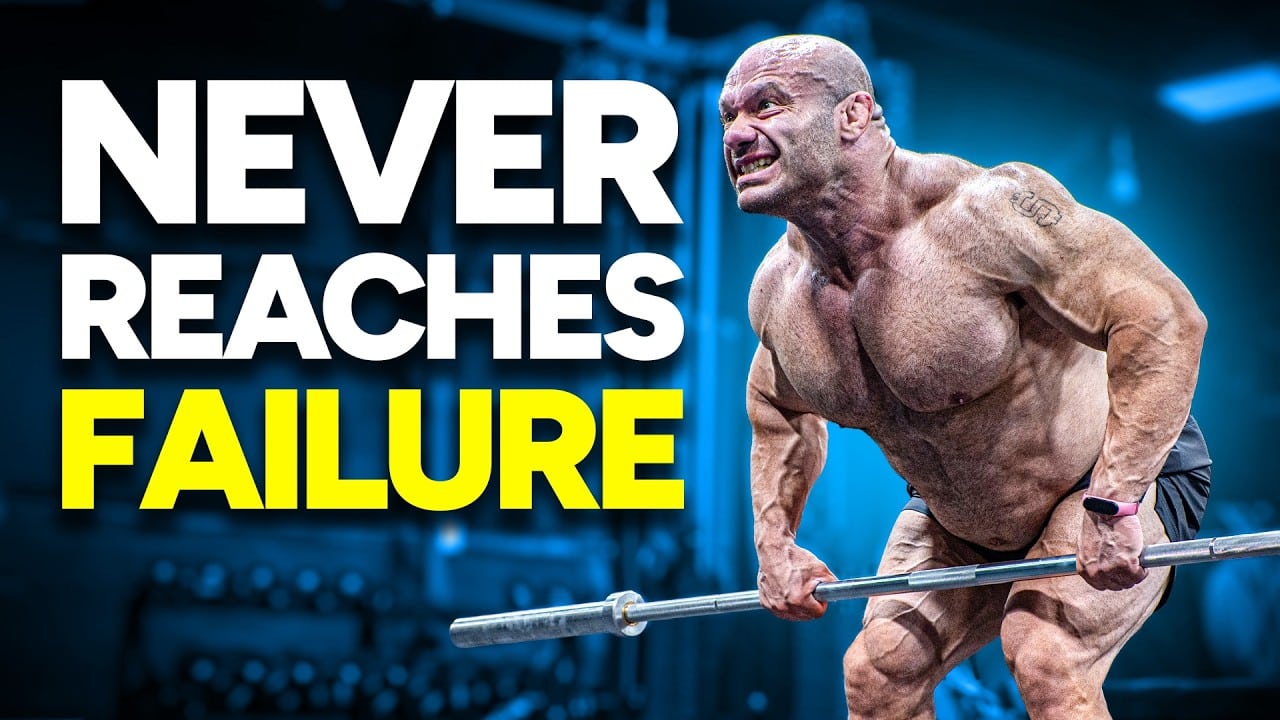
The twist? It wasn’t a vibe-driven revelation—it was grounded in logic, research, and real-world results.
If you’ve ever been torn between barbell bravado and smart programming, this might change how you train forever.
Jump to:
The Myth of Hardcore Training
For years, hardcore training has been the gold standard in gym culture. Think heavy barbells, compound lifts, and grinding through sets of 5–10 to the brink of failure.
“I used to pride myself on training hardcore,” says Dr. Israetel. “I thought anything less was for weak losers.”
A typical week under this approach meant low-volume, high-intensity sessions—squats, deadlifts, overhead presses, dips, all performed with little room for error and lots of room for pride.
The Results Were Impressive—At a Cost
The gains were real. At his peak, Dr. Israetel reached 270 lbs drug-free with prodigious strength numbers:
- 500 lbs high-bar squat for 10
- 550 lbs deficit deadlift beltless
- Dip sets with 135 lbs for 10 reps
- Bench press: 365 lbs for 8
- Overhead press: 275 lbs for 8
But the accolades came with recurring injuries—disc herniation, adductor tears, pec issues—and a nagging realization: some muscles simply weren’t growing well, no matter how “hardcore” the lifts were.
Side delts, biceps, and lats lagged. Why? Because they needed volume and focused stimulation—not ego-laden barbell PRs.
What Changed Everything
Turning to Science Over Vibes
The turning point came from studying the science of hypertrophy more deeply.
Evidence shows that higher training volumes—especially done close to failure—correlate strongly with increased muscle growth. Sets per week, not just load, matter most when the goal is adding size.
“If 30 weekly sets grow more than 20, and 40 more than 30, then five versus ten sets is a massive difference,” says Israetel.
Smarter Choice of Exercises
Building muscle efficiently means choosing high stimulus-to-fatigue ratio (SFR) exercises. In other words: movements that hit the target muscle hard without overloading the joints, nervous system, or spine.
Examples that made the cut:
- Belt squats instead of back squats
- Cambered bar rows for longer range of motion
- Smith machine pressing for chest and shoulders
- Lying dumbbell curls for biceps
- Hack squats and leg presses over barbell squats for quads
“I started choosing only the best SFR exercises and didn’t care if they were hardcore or not,” Israetel admits. “And guess what? I got even bigger.”
Targeted Gains, Lower Risk
Switching to a training style built on SFR meant more volume, enhanced recovery, and targeted muscular development.
Delts grew with higher-rep, machine-based lateral raises. Biceps came alive with lying curls. Lats expanded through controlled pull-downs instead of only pull-ups.
“I miss the big lifts sometimes,” he says. “But I chase muscle growth now—not injury, not ego.”
Body Feels Better Than Ever
At 41 years old, Dr. Israetel says he’s in the best physical condition of his life—both in aesthetics and in how he feels.
“My joints are happier. My volume is higher. My physique is visually better—and I know exactly how to target every muscle group.”
What This Means for Your Training
While Dr. Israetel’s story is personal, the lesson is widely applicable. If size is your goal, ego-lifting and impressively-loaded barbells may not be the best path forward.
Instead, consider:
- Opting for exercises that directly target the muscle with minimal fatigue elsewhere
- Modulating volume to fit muscle-specific needs—not just program-wide templates
- Using machines or isolation moves without shame, especially when they produce better results
- Allowing science—not just tradition—to guide your program design
Still Want to Train Hardcore?
There’s absolutely nothing wrong with that. Hardcore training is fun, motivating, and builds character. As Dr. Israetel points out, strength in compound lifts translates well into sports performance, general ruggedness, and mental toughness.
But if those lifts start creating bottlenecks—due to injuries, fatigue, or muscle imbalances—it may be time to rethink.
You don’t have to abandon compound lifts. You just have to use them intentionally, not religiously.
The Bottom Line
If your goal is to be as muscular as possible with fewer injuries, smarter training may beat harder training.
Question what you believe. Let performance take a backseat to recovery. And be open to the possibility that progress may lie down the path of the “less hardcore.”
“What I want to do is take every set to full-send failure,” Israetel confesses. “But that didn’t get me where I wanted. Training differently—more intelligently—did.”
Use this insight not as a command, but as an invitation. Keep the lifts you love. But don’t let loyalty to tradition limit your progress.