When it comes to elite military selection, raw strength won’t cut it. These tests are designed to expose weakness — mental, physical, emotional — and weed out all but the most resilient.
From blistered feet and blackened toenails to full-blown mental breakdowns, special forces fitness tests are notorious for being some of the most punishing assessments on the planet. These are not your typical military boot camps. They’re built to simulate real combat stress, push recruits to the brink, and reveal who can operate under the kind of pressure few humans will ever experience.
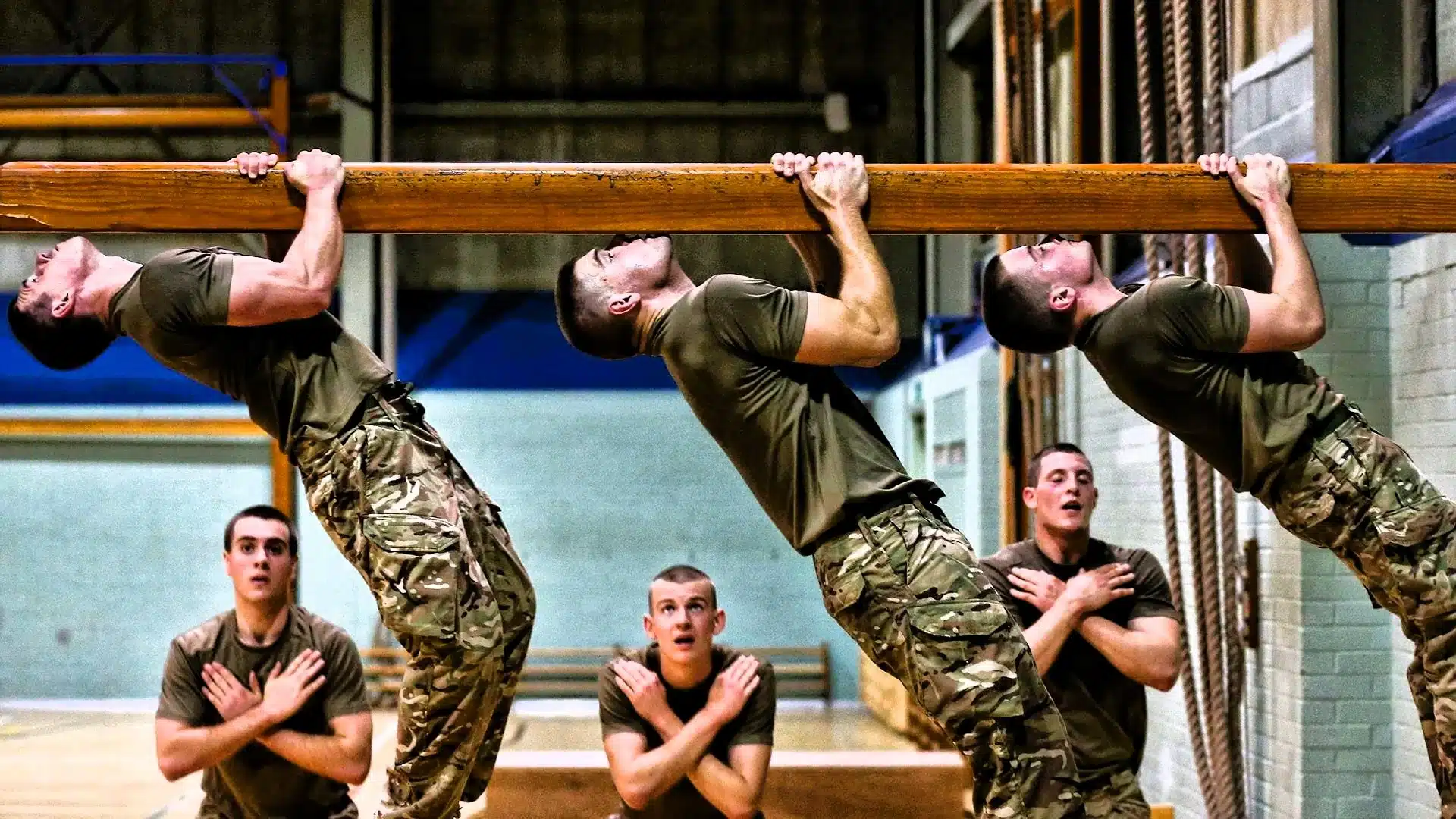
Across the globe, countries like Russia, India, and Australia have designed physical selection tests so extreme, failure rates regularly climb above 85% — and in some cases, up to 97% of applicants don’t make it past the first stage.
As one former UK SAS officer put it: “You don’t pass selection. You survive it.”
Jump to:
What makes these fitness tests so extreme?
It’s not just about physical strength. These programs target every aspect of human performance — endurance, speed, coordination, recovery, decision-making under duress, and psychological resilience. They’re engineered to break people down and expose cracks.
In fact, many of the exercises are deceptively simple on paper. But the context — like back-to-back events with no recovery time, high-weight kit loads, or full combat gear — is where things get serious.
For comparison, the average gym-goer may struggle to complete a 5km run under 25 minutes. Yet, for elite forces, that’s a warm-up. One slip-up or sign of hesitation — and you’re cut.
And even if someone does manage to pass the test, selection is only just beginning.
1. Russian Alpha Group Spetsnaz
“Win and come back.”
That’s the motto of Russia’s elite Spetsnaz unit, and their entry test lives up to it.
Considered by many as the most brutal special forces selection in the world, this test pushes physical and psychological boundaries to a terrifying degree.
Minimum entry requirements:
- 3,000m run in 10:30 minutes or less
- 100m sprint in under 12.7 seconds
- 10 x 10m suicides in 25 seconds
- 25+ pull-ups
- 90 push-ups in 2 minutes
- 90 sit-ups in 2 minutes
- 30 dips (no break)
- Bench press bodyweight x10
- Hand-to-hand combat against a larger opponent (3 x 3-minute rounds)
This last element is the most harrowing. If the applicant loses the fight, acts defensively, or shows any hesitation — they fail.
Candidates must also meet a strict height requirement of 175cm (5ft 9) and show psychological toughness throughout.
2. Indian Army Para Special Forces
With a 90% dropout rate, India’s Para SF is not for the faint of heart. It’s one of the longest and most intense selection processes, with many soldiers training for years just to apply.
To be even considered for the elite 3-month course, candidates must complete a battery of fitness tests.
Fitness standards include:
- 5,000m run in 20 minutes
- 14 strict chin-ups
- 40 push-ups in 1 minute
- 80 sit-ups in 2 minutes
- Pass-fail shuttle run (similar to beep test)
Beyond this, soldiers must complete gruelling endurance trials, psychological evaluations, and survive an unrelenting training cycle designed to simulate real warzone conditions. Many who make the cut come from elite athletic or combat sports backgrounds.
As the unit’s motto says: “Men apart, every man an emperor.”
3. US Army Delta Force
Perhaps the most famous of all elite US military units, Delta Force — officially known as 1st SFOD-D — recruits only from within the US Army’s top-tier performers.
But even before they can enter the true selection program, applicants must clear a series of physical and mental evaluations that eliminate 9 out of 10 candidates.
Fitness requirements:
- 40m inverted crawl in under 25 seconds
- 37 sit-ups in 1 minute
- 32 push-ups in 1 minute
- Run-dodge-jump agility test in under 24 seconds
- 2-mile run in under 16:30
- 100m swim fully dressed, including jumpsuit
Next, those who pass face:
- 18-mile forced march with weighted gear
- 40-mile navigation march through remote terrain
Delta Force doesn’t disclose much about its training methods. But former members often describe it as a brutal mental crucible. As one veteran told Task & Purpose, “You can’t fake your way through this. The system is designed to find the cracks.”
4. UK Special Air Services (SAS)
“Who Dares Wins.”
This isn’t just a motto — it’s the mindset behind every stage of SAS selection. The UK’s Special Air Services have long set the standard for global special forces, with training that’s been replicated (and feared) around the world.
Entry requirements include:
- 45 push-ups, no rest
- 45 sit-ups, no rest
- 1.5-mile run in under 9:30
- 10m dive into water
- 25m swim in full uniform holding a weapon
- 200m swim in uniform
- 5-minute water tread
- Underwater object retrieval
- 8-mile hill run in under 60 minutes
Applicants only get two attempts. Fail twice, and they’re permanently disqualified.
Even for battle-hardened soldiers, this test is a nightmare. The water elements especially are designed to test calmness under life-threatening pressure.
5. Israeli Sayeret Matkal
Israel’s most elite reconnaissance and counter-terrorism unit, Sayeret Matkal, is as mysterious as it is dangerous.
Their fitness test is known for its unique structure, combining high-intensity lifts with weighted speed drills — all while under surveillance for decision-making and form.
Test structure:
- 3km run in under 14 minutes
- 3 reps of 60kg squats (11+ considered excellent)
- Suicide sprints in 15kg vest (under 14 seconds)
- 3 reps of 60kg bench press (12+ preferred)
- 3 pull-ups with 15kg weighted vest (12+ ideal)
This mix of sprint power, weighted strength, and short recovery mimics the unpredictable nature of field combat.
As one Israeli training consultant described it, “They don’t want machines. They want thinkers who can fight.”
6. Australian Commandos
Tough, quiet, and absolutely relentless — Australia’s Commandos may not get as much international attention, but their selection process is among the most physically demanding anywhere.
Key entry components:
- Minimum: 60 push-ups, 100 sit-ups, 10 pull-ups
- Run-dodge-jump obstacle course in under 50 seconds
- 2.4km run in under 11:30 in full patrol uniform (7kg kit + rifle)
- Swim test: 2-min tread + 400m swim in full uniform and shoes
- 15km endurance march in 2 hours 20 minutes with 28kg pack
The twist? There are just three minutes between each exercise, and only five minutes between the final run and the swim. Candidates must jog between stations — no walking allowed.
Commandos are trained to function on fatigue. Every phase of this test is designed to drain energy, then demand more.
Their motto? “Without Warning.” Exactly how they hit the battlefield — fast, silent, and effective.
What are SAS Units?
Not all special forces are SAS, but SAS is where it all began.
The Special Air Services were founded in 1941 during WWII by David Stirling, created to carry out deep-strike raids behind enemy lines. Since then, their model has been copied by forces across the world.
Today, Britain, Australia, and New Zealand all have official SAS regiments. Each shares a common philosophy — small teams, high skill, stealth tactics — but adapts the approach to their national needs.
While other countries (like Russia or Israel) don’t call their elite teams “SAS”, many were trained by British instructors and modelled their programs accordingly.
Selection into any of these units is widely considered one of the hardest accomplishments in the military world.
Why do these fitness tests matter?
They aren’t just about proving toughness — though there’s plenty of that involved.
These tests are gatekeepers. They ensure only the most capable, resilient, and adaptable humans ever wear the insignia of their unit.
High failure rates — sometimes more than 90% — are by design. These units need individuals who don’t just survive pressure, but thrive in it. Who can lead a team through a warzone, navigate chaos, and operate alone with no backup.
As a former SAS trainer once told BBC News, “If you want to be among the best, first you have to beat the worst days of your life.”
ChatGPT can make mistakes. Check important info.