“Will lifting weights stunt growth?”
This question often sparks concern from parents, coaches, and young athletes alike.
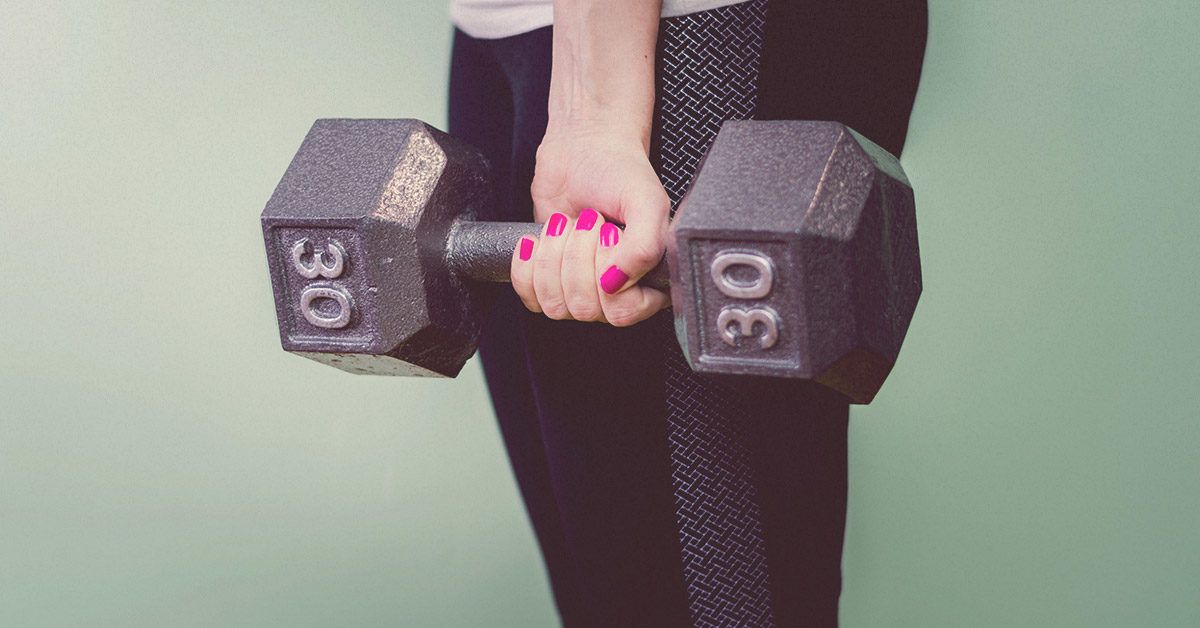
Despite the lingering myth, current science tells a different story — one that supports strength training for kids and teens.
Done correctly and under proper supervision, resistance training can actually help youth build stronger bones, prevent injuries, and boost confidence.
So where did this common misconception come from, and what should families know before letting kids lift weights?
Here’s a deep dive into what the research shows and how to get started safely.
Jump to:
Does Weightlifting Stunt Growth?
There’s no credible scientific evidence that lifting weights stunts a child’s growth.
This long-standing myth likely originated from concerns about injuries to growth plates — the soft cartilage at the ends of developing bones.
However, the concern isn’t about lifting weights, but rather lifting irresponsibly.
“The risk of damaging growth plates does exist, but it’s not from weightlifting itself — it’s from improper technique, lifting too heavy too soon, or lack of supervision,” says Dr. Rob Raponi, a naturopathic doctor and sports nutrition expert.
Growth plates are more vulnerable to trauma before they fully ossify in early adulthood. But most growth plate injuries happen during day-to-day sports like football, basketball, or even skateboarding — not controlled weight training.
In fact, a 2017 review in the British Journal of Sports Medicine found that when done properly, resistance training in youth:
- Improves overall strength and endurance
- Increases bone strength and density
- Reduces risk of fractures and sports-related injuries
- Supports coordination and motor skill development
- Improves self-esteem and confidence in fitness settings
Why the Myth Persists
The idea that weightlifting can halt growth lingers mostly because it contains a kernel of truth.
Yes, trauma to growth plates can cause long-term developmental issues.
But that trauma is not exclusive to lifting weights. In fact, roughly 15% to 30% of childhood fractures involve growth plates, most of them resulting from falls or sports — not gym sessions with guided strength work.
Experts like Dr. Chris Wolf, a sports medicine physician, agree: “Strength training is safe for kids, provided it’s implemented properly and under the guidance of a trained professional.”
Like learning to drive, maturity — not just age — plays a critical role in doing it safely.
How to Help Your Child Lift Weights Safely
Getting started with strength training at a young age can instill healthy habits for life.
But jumping headfirst into heavy bench presses or deadlifts is not the right approach.
Start Slow and Build Gradually
Begin with light resistance and emphasize good form over lifting heavy. Think higher reps, lighter weights, and mastery of technique. “Focus first on moving well, not just moving weight,” advises Dr. Raponi.
Emphasize Neuromuscular Benefits
Younger athletes often get stronger without visibly growing muscles. That’s because the improvements are mostly neuromuscular, meaning their nervous systems become more efficient at recruiting muscles.
“Most early gains in youth strength training come from improved performance, not muscle hypertrophy,” explains Dr. Alex Tauberg, chiropractor and certified strength and conditioning coach.
Use Bodyweight Exercises First
Before picking up a single dumbbell, children can learn foundational movements using their own body weight.
Try exercises like:
- Bodyweight squats
- Modified pushups
- Sit-ups or crunches
- Planks
- Wall sits
These types of movements develop strength, balance, and coordination without external resistance.
Make It Fun
Especially for younger kids, workouts should feel less like formal training and more like active play.
Use games, circuits, and challenges to keep them engaged and motivated.
“If it’s enjoyable and safe, there’s really no wrong age to start strength training,” says Raponi.
Supervision Is Essential
A knowledgeable coach, personal trainer, or gym teacher — preferably one with pediatric or youth fitness experience — is key to creating a safe environment and proper programming.
That includes teaching correct form, choosing age-appropriate exercises, ensuring proper warm-ups, and preventing overtraining or injury.
Assess Readiness by Maturity, Not Age
Chronological age isn’t the only factor in deciding if a child should lift weights.
“You want to look at their ability to follow instructions, focus on tasks, and commit to good habits like stretching and cooling down,” says Dr. Adam Rivadeneyra, a sports physician at Hoag Orthopedic Institute.
That’s why a 10-year-old child who’s focused and coachable might be a better candidate than a 14-year-old who rushes through sets and ignores guidance.
Talk to a Pediatrician First
Before signing your child up for a gym membership or strength training group, it’s smart to consult their pediatrician — especially if they have a chronic condition or prior injury history.
A quick conversation can ensure training aligns with their development and physical capabilities.
Takeaway
Lifting weights won’t stunt growth when done correctly.
On the contrary, strength training can offer significant physical, mental, and emotional benefits for kids and teens — so long as safety, supervision, and enjoyment are prioritized.
“Be cautious, not fearful,” says Dr. Wolf. “Start early, stay safe, and teach kids healthy habits that last well into adulthood.”
If you’re wondering if it’s the right time for your child to begin lifting weights, it may be time to shift the focus away from the myth — and toward the method.