Glycine, a simple amino acid often overlooked in the supplement world, is quietly becoming a go-to for those focusing on skin health, longevity, better sleep, and metabolic balance.
For the past two years, one health enthusiast has taken 10 to 15 grams of glycine daily—and the reported results are impressive.
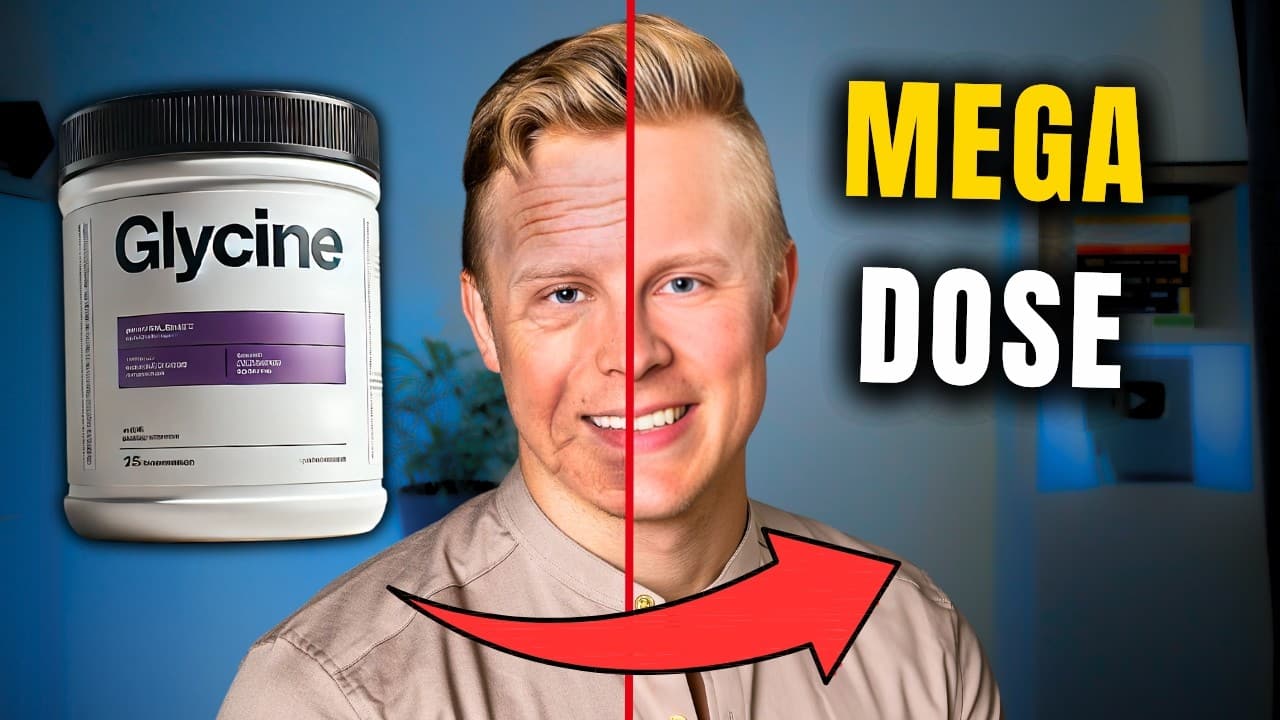
From drastically reduced visceral fat and improved skin to falling asleep faster and maintaining perfect blood sugar levels despite high carb intake, the benefits seem to go beyond anecdotal.
But how much of this can really be credited to glycine, and what does science say about its efficacy and safety?
Here’s a deep dive into glycine’s most powerful, research-backed benefits—and how to optimize its use for longevity and everyday wellness.
Jump to:
What Is Glycine and Why It Matters
Glycine is the smallest amino acid, yet it serves a big role as a fundamental building block of collagen and an important player in the body’s antioxidant system. It helps support neurotransmitter balance, reduce inflammation, detoxify the liver, and regulate blood sugar.
It’s classified as a nonessential amino acid, which means the body makes some on its own. But many researchers now believe we produce far less than we need for optimal functioning—especially when it comes to collagen production and detoxification pathways.
Skin Health and Anti-Aging Effects
According to this longtime user, one of glycine’s most significant benefits was visible in the mirror: a clear reversal in forehead fine lines developed five years ago, now reportedly gone. That’s likely not coincidental.
Glycine forms 30% of collagen—a structural protein essential to skin elasticity and firmness. Unlike other amino acids like proline or hydroxyproline, collagen synthesis depends on higher amounts of glycine for constant turnover and repair.
Research suggests we need about 15 grams of glycine per day for optimal function—12g allocated to collagen support and 3g for other vital processes like creatine, glutathione, and heme synthesis.
Beyond collagen maintenance, glycine also combats aging at a molecular level by reducing advanced glycation end products (AGEs). These compounds form when sugars react with proteins or fats, damaging collagen and accelerating skin aging.
By lowering blood sugar and promoting antioxidant production (especially glutathione), glycine helps inhibit AGEs and their destructive effects, not just on skin but across organs.
Metabolic Benefits: Blood Sugar, Fat Loss, and More
This user reported a drop in visceral fat from 350g to just 54g. While glycine alone isn’t a magic fat burner, it’s likely a contributing factor, especially in the context of improved methionine-to-glycine ratio—a key metabolic pathway often ignored.
Glycine appears to mimic some of the benefits of methionine restriction, a dietary strategy shown to reduce fat mass, enhance insulin sensitivity, and promote healthy aging. Importantly, supplementing glycine may offer similar results without the need to drastically cut dietary methionine from protein-rich foods.
Additionally, glycine has been seen to lower blood sugar levels and support insulin function. Even on a high-carb diet (300g+ daily), this biohacker maintained optimal blood sugar—something he attributes in part to his glycine intake.
Better Sleep Quality and Mental Calm
Sleep was another area of marked improvement: quicker sleep onset, higher sleep scores, and deeper rest. Science supports these claims.
Glycine is known to increase GABA activity—an inhibitory neurotransmitter that reduces anxiety and promotes calm. It also helps lower core body temperature, a natural signal to the body that it’s time to rest.
Clinical trials have shown that 3 grams of glycine taken before bed can significantly enhance both subjective and objective sleep quality.
Potential Longevity Benefits
In the National Institute of Aging’s Interventions Testing Program (ITP), glycine was one of the few compounds demonstrated to extend lifespan in mice—by up to 6% in males and 2% in females.
The hypothesized mechanism? A balancing effect on methionine, oxidative stress reduction, and improved metabolic flexibility—all critical for delaying age-related decline.
While no human study has yet confirmed glycine’s impact on lifespan, the fact that it influences known longevity pathways makes it a compelling option for anyone focused on aging well.
Safety and Side Effects
Glycine has been shown to be remarkably safe—even at very high doses. The user in question sometimes takes up to 30 grams daily, and human studies have safely used 90 grams with no adverse effects.
However, a small group of people may respond differently. Glycine acts as a co-agonist at the NMDA receptor, a brain receptor involved in memory and mood. In people with certain genetic mutations or elevated glutamate activity, this could lead to overstimulation—causing symptoms like anxiety, insomnia, or headaches.
As explained by Dr. Tyler Panne in a podcast, these side effects are rare and likely tied to individual biochemical responses. For most people, even those who aren’t genetically predisposed, glycine remains a gentle and supportive supplement.
How to Take Glycine for Maximum Benefit
For skin and collagen support: aim for 10–15 grams daily, split between morning and evening. Mix it into tea, coffee, yogurt, or even cottage cheese—it has a naturally sweet flavor.
For better sleep: take 3 grams 30–60 minutes before bed, ideally with a calming beverage like chamomile or green tea.
For longevity and metabolic balance: maintain daily intake around 10–15 grams to help balance methionine levels especially if eating a high-animal protein diet.
The Bottom Line
This long-term glycine user saw tangible improvements in body composition, skin quality, sleep, and blood sugar regulation—all of which are backed by strong scientific rationale.
While glycine won’t be solely responsible for health transformations, its impact on critical systems like collagen turnover, neurotransmitter regulation, and cellular defense make it a valuable addition to many wellness routines.
As always, individual responses may vary—and anyone with unusual symptoms should consider reducing the dose or consulting with a specialist.
But for most people, glycine is a low-risk, high-reward tool for looking, feeling, and aging better on a daily basis.