In the early days of elite CrossFit, programming was still the Wild West—untamed, unexplored, and largely misunderstood by traditional strength coaches.
But one athlete seemed to navigate this chaos with uncanny intuition: Rich Froning. With four consecutive CrossFit Games titles under his belt, many wonder—was it raw talent, reckless volume, or a different kind of genius behind his infamous training style?
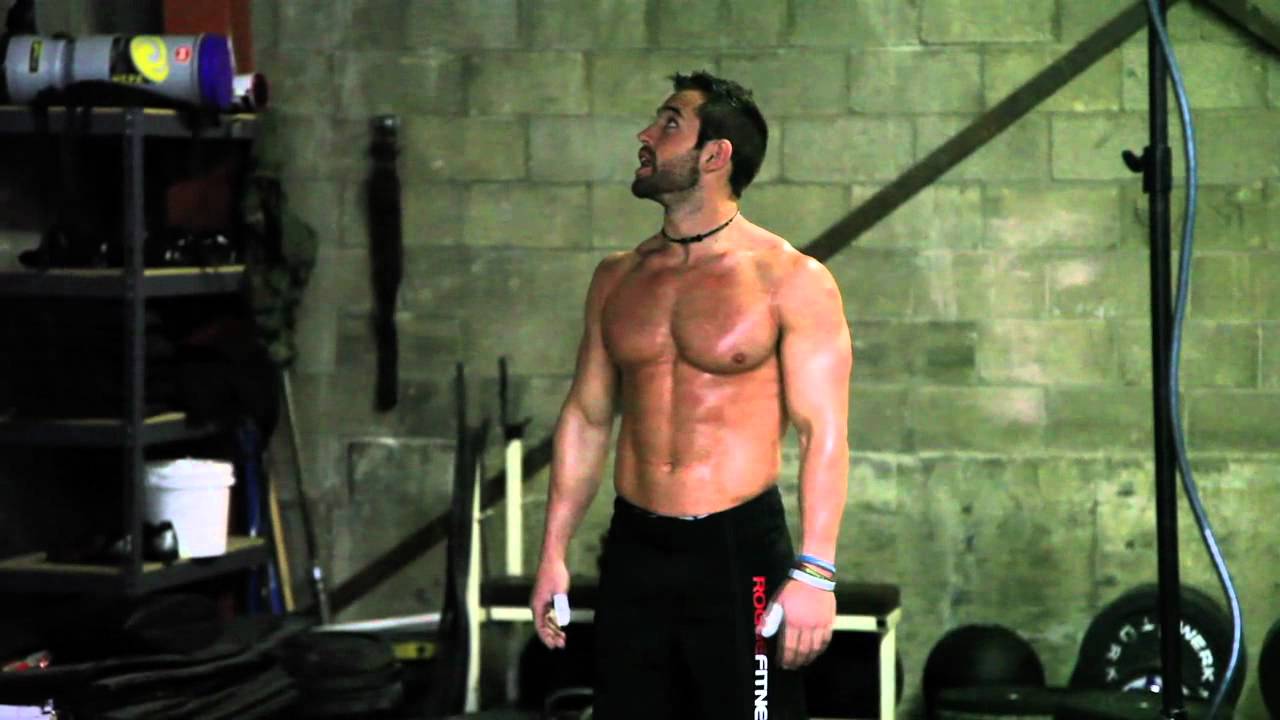
In a recent discussion reflecting on his training evolution, Froning pulls back the curtain on how his early days of programming pushed limits—physically, mentally, and scientifically. If you’ve ever asked, “How did he never seem to break?”—warm up and stretch, because we’re diving in.
Jump to:
- Built Different: How Genetics and Mental Framework Shaped a Champion
- The Programming Philosophy: High Volume Meets High Adaptability
- CrossFit vs. Conventional Strength: Different Aims, Different Tools
- Programming for Longevity vs. Games-Level Intensity
- Applying the Froning Model: Don’t Copy It Blindly
- What’s Next: Evolving the Next Generation
Built Different: How Genetics and Mental Framework Shaped a Champion
Froning isn’t shy about acknowledging the genetic lottery. At 5’9”, he’s near ideal height for the sport—compact, powerful, and resilient. Apart from physique, he credits an addiction-like draw toward physical exertion.
“There’s probably some type of substance abuse history in my family. I think fitness and that adrenaline high from working out filled that gap for me.”
This internal drive to outwork everyone meant recovery wasn’t the priority; output was. While traditional athletics emphasized strict periodization and recovery, Froning challenged that model with an obsessive commitment to volume.
“I didn’t want anybody else to outwork me,” he says. That mindset led to programming more sessions, on more days, with more intensity than seemed humanly possible at the time.
The Programming Philosophy: High Volume Meets High Adaptability
Froning’s training wasn’t just about burnout. With an exercise science background, he had a solid foundation in energy systems and movement mechanics—key components of CrossFit’s ever-evolving challenges.
“I had a really good grasp on what CrossFit is… the different energy systems, how to balance them.”
What emerged was an understanding that although intensity and volume were both high, sessions were smartly varied and strategically scheduled. Thursdays and Sundays, for example, were often reserved for active recovery—lighter sessions like hikes or easy aerobic pieces, not complete rest but not crushing either.
Key Features of Froning’s Programming:
- Two-a-days became a norm—evolving from trial and error. “We worked out once, then tried it again. We didn’t die. So we just… kept going.”
- Volume tolerance built gradually over years, not weeks. “At first, we just worked out once a day. Then twice. Then some days, three.”
- Mental resilience was crafted through routine. “It wasn’t just physical—it was what we did. Part of the day. No other option.”
Froning emphasized that while others feared overtraining, his body’s blend of muscle fiber recruitment, joint durability, and mental toughness allowed him to outperform peers, even late into grueling multi-day competitions.
CrossFit vs. Conventional Strength: Different Aims, Different Tools
Traditional collegiate training focuses primarily on maximizing power or strength for a very narrow athletic window. Ask a football strength coach about doing 30 clean and jerks for time and you’ll hear laughter—maybe even horror.
But Froning sees that debate differently.
“In football, power is everything—you need to explode once and rest. In CrossFit, it’s general preparedness. You may have to lift, run, and climb continuously, so you train that way.”
This wasn’t guesswork. He took what made sense from standard strength and conditioning—like explosive lifts and mobility prep—and folded it into the broader goal of being an all-encompassing fitness athlete, ready for anything.
Programming for Longevity vs. Games-Level Intensity
Today, Froning has softened his stance—at least for the athletes he coaches.
“We learned. I now say do as I say, not as I did,” he admits. That means periodized tapers, structured off-seasons, and fostering an understanding that training seven days a week hard isn’t sustainable for everyone. Burnout is a real thing. Even Froning sees it in today’s young athletes more than ever.
Still, when asked why he always came back strong on Day 4 of the Games, looking powered-up while others crumbled, the answer is simple: he trained for that exact moment.
“You knew Sunday was going to be my day. That’s when I separated.”
Applying the Froning Model: Don’t Copy It Blindly
While Froning’s training volume might make for great highlight reels, it’s not for everyone. In fact, most athletes will achieve better results with less volume and more structured recovery.
Advice for Athletes Adopting Froning-Style Programming:
- Start slow — Double sessions should only be introduced after months (or years) of consistent single-session training.
- Track and adapt — Programming isn’t static. If you’re beat up, reduce intensity or volume.
- Use CrossFit principles wisely — For sport-specific athletes (football, baseball), focus on energy system match-ups, not just general conditioning.
- Prioritize recovery — Light movement, mobility drills, walking, and even meditation can prevent burnout.
What’s Next: Evolving the Next Generation
Froning is still heavily involved in coaching young athletes and teams. His programming today integrates the grit of his championship years with lessons learned the hard way—through trial, error, and overtraining.
“We’re still learning,” he says. And that humble commitment to growth may be why his programming continues to produce elite athletes more than a decade later.
So, while the early days may have looked like madness, there was method all along—science, instinct, grit, and a love for the workout high. And in a sport defined by unpredictability, maybe that’s the secret sauce.